
It wasn't your confidence.
Feb 25, 2026




It wasn't your pitch.
It was something you probably did by accident.
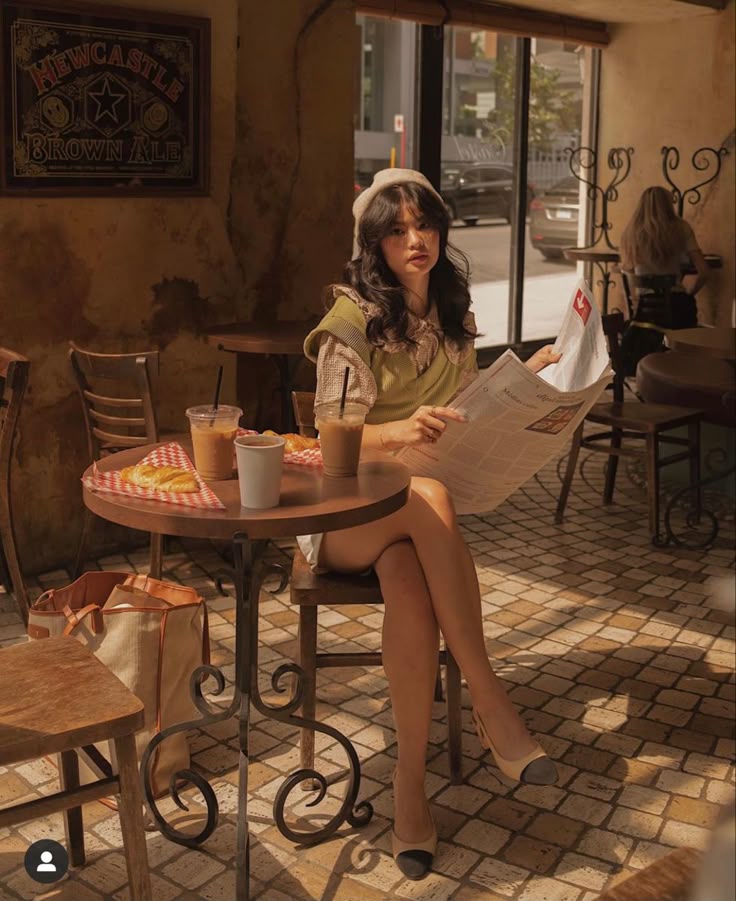
Soviet psychologist Bluma Zeigarnik is sitting in a Vienna café.
She notices something strange about the waiters.
They can remember every detail of an open order —
who ordered what, which table, modifications, everything.
But the moment the bill is paid and the table is cleared?
Gone.
Completely gone.
They can't recall a single thing about it.
She goes back to her lab. Runs the experiment properly.
The finding:
The human brain remembers unfinished things up to 90% better than finished ones.
Not because they're more important. Because they're still open.
The brain can't let go of what it hasn't resolved.
She called it the Zeigarnik Effect.
Most people have never heard of it.
Every brand you can't stop thinking about is using it on you right now.
Think about the last time you met someone at a networking event.
They introduced themselves:
Told you what they do. Answered your questions. Gave you a business card.
Said "great to meet you." Wrapped it up with a perfect bow.
| You forgot them by the time you got home.
Because the brain filed them under:
Complete. Resolved. Finished. Move on.
Now think about the person who said something like —
I'm working on something right now that I think is going to…
Change how this entire industry thinks about pricing.
Still figuring out the last piece though.
And then changed the subject.
You're still thinking about that. Aren't you.
That wasn't an accident. That was a loop. An open loop.
And your brain won't close it until it gets the answer, which means…
A client of ours — a creative director named Priya — was brilliant at her work.
Won awards.
Had the portfolio.
But in rooms full of potential clients, she kept being overlooked.
People would meet her, nod politely, talk to someone else.
We watched her for one afternoon of meetings and spotted the problem immediately.
Every answer she gave was complete. Watertight. No edges. No gaps.
She resolved every question so thoroughly that people had nothing left to think about.
She was giving people endings.
Memorable people give people middles.
| What Priya was doing
"I specialise in brand identity for tech startups. I've worked with twelve Series A companies. Here's what that looks like."
| What we told her to do instead
"I've been obsessing over a pattern I keep seeing in how Series A brands collapse their identity after funding.
Haven't fully figured out why yet."
Same person. Same expertise. Completely different effect.
The first version answers the question.
The second version becomes a question they can't stop asking themselves.
| What Changed
3x - More follow-up messages
The three types of open loops
The Unfinished story
Start a narrative, then pause.
"We tried something with a client last month that completely backfired — I'll tell you the ending later, but…
The brain marks it. Keeps the file open. Comes back.
The Unanswered question
Ask something you don't immediately answer.
"Do you know why the best-reviewed restaurants always have something slightly wrong with them?"
Then move on.
Watch them come back to it.
The incomplete reveal
"I figured out why most rebrands fail — it's not the logo, it's something that happens six months before the brief is even written."
Then stop.
Let the gap breathe.
The gap is the hook.
None of these are manipulation.
They're just how memory actually works.
Specific is what trust sounds like.
Vague is what a scam sounds like.
And your brain doesn't wait to figure out which one it's looking at.
Here's where people mess this up.
They hear "open loop" and they think — mystery. Vagueness.
Being cryptic on purpose.
Withholding to seem important.
That's not it. That's just annoying.
| Fake open loop
"I know something about this industry that would shock you." — then never says what. Feels like a trick. People feel played.
| Real open loop
"I've been sitting with this problem for three months and I'm close to something — I just don't know if I'm right yet."
Feels human. Feels real. People lean in.
The difference is vulnerability.
A real open loop shows you're still inside the question.
A fake one pretends you already have the answer and are choosing to hide it.
People can feel the difference in under a second.
Bluma Zeigarnik died in 1988.
She probably had no idea her café observation would one day describe why certain LinkedIn posts go viral,
Why some people get called back after every meeting,
or why you can't stop thinking about a half-told story you heard at a party three years ago.
But the brain hasn't changed.
It still can't file away what it hasn't finished.
It still loops back, unprompted, at 2am, to the things that were left open.
So next time you're in a room and someone asks what you do —
Don't give them the whole answer.
Give them the middle of it.
The most memorable thing
you can do for someone
is leave them with a question
they can't stop asking.