(The Death of “SALE” — and How Nike Outsmarted the Noise)
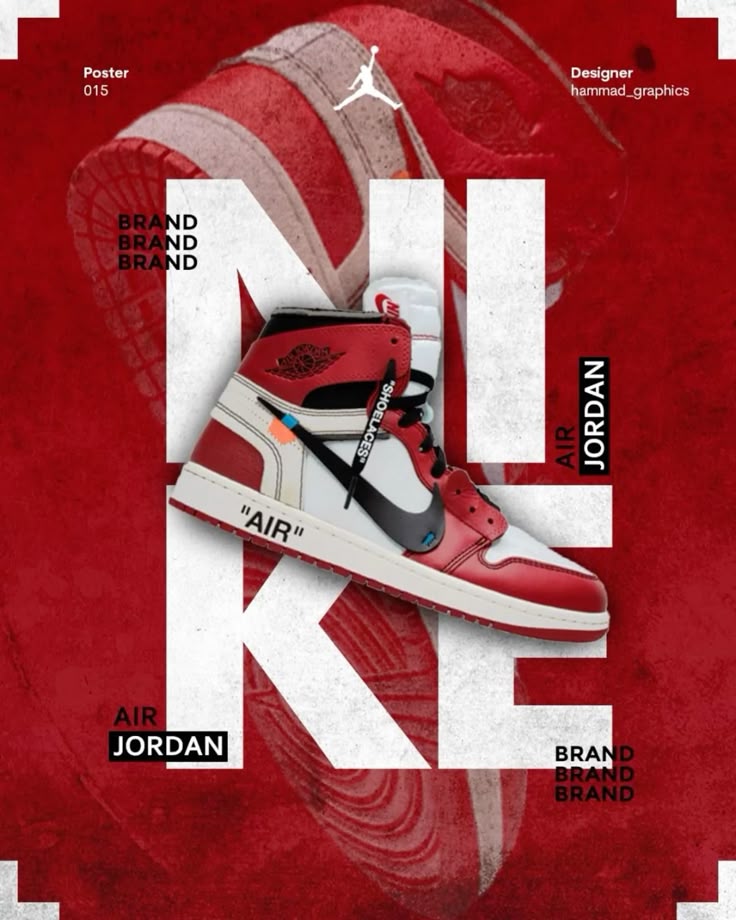
Remember when a “50% OFF” tag used to mean something?
Now it feels like background noise.
You scroll past it like an ad for toothpaste.
The question is —
when did discounts stop working?
And how did brands like Nike manage to sell more without offering less?
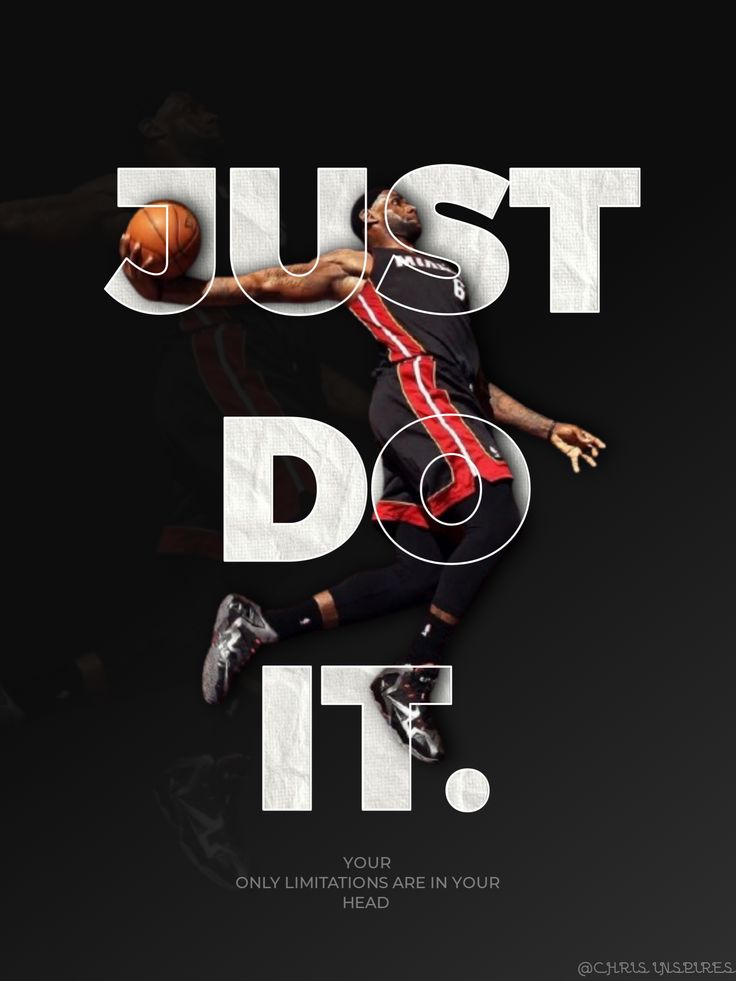
A few years back, Nike ran a quiet experiment.
While everyone else was flooding Black Friday with “Biggest Sale Ever” banners,
Nike barely mentioned discounts at all.
Instead, they launched a campaign that said:

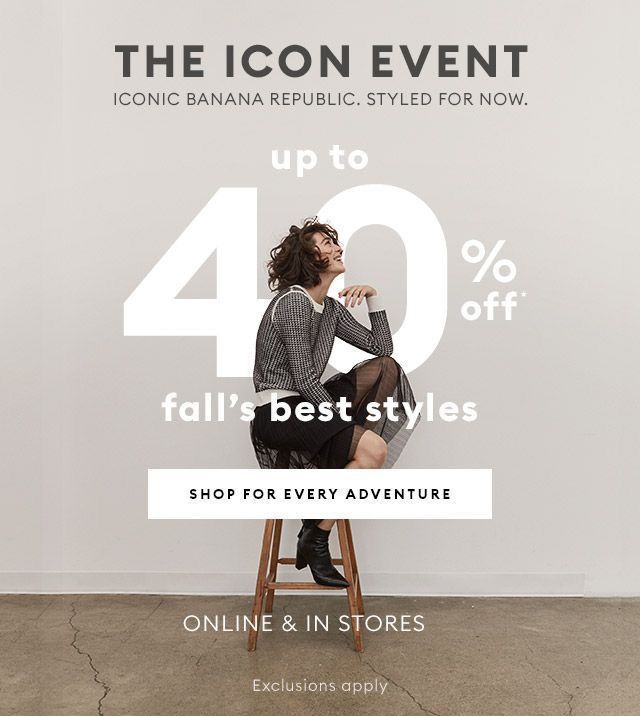



No prices.
No “Buy Now.”
Just pure energy — movement, emotion, identity.
And guess what?
Their sales went up.
And Now think when every brand screams “limited offer,”
the word “limited” loses meaning.
It’s not about logic anymore — it’s about emotion fatigue.
The audience isn’t broke.
They’re just bored.
Here’s what’s really happening in the brain:
At first, discounts trigger dopamine — a little excitement, a small rush.
But when it happens every day, the brain builds tolerance.
That same “rush” turns into a “meh.”
It’s like telling someone “you’re special” every day —
after a while, it doesn’t land.

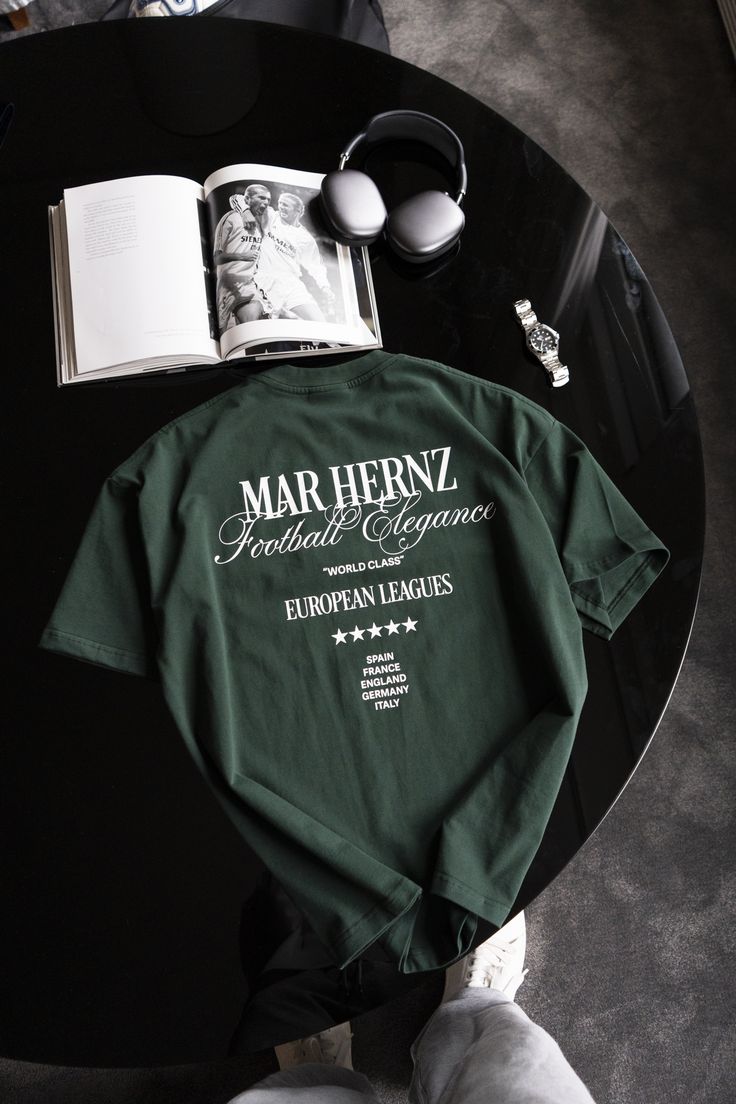
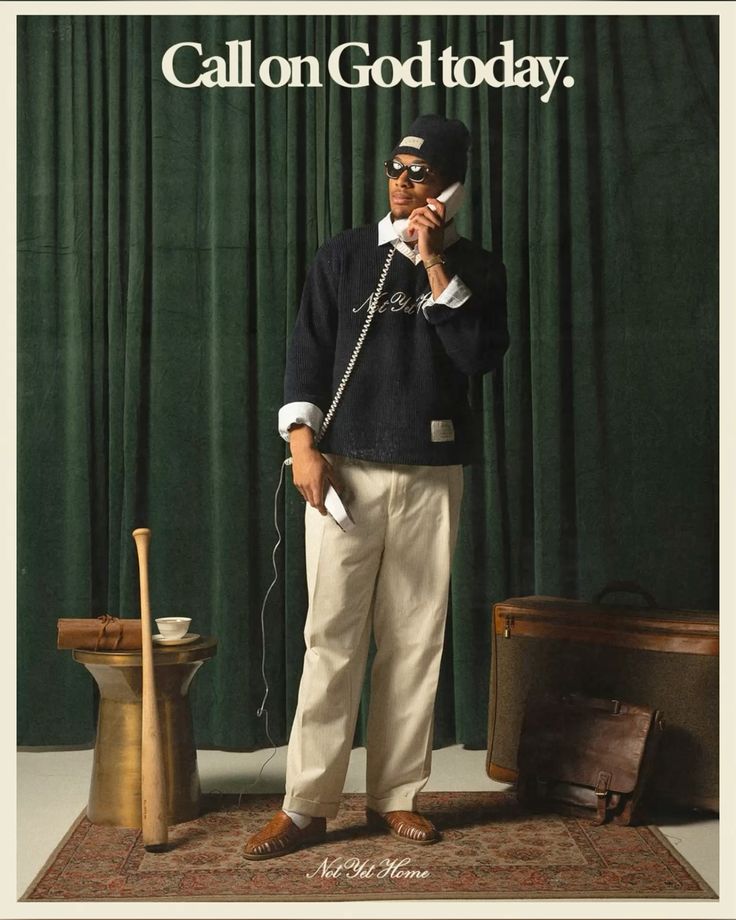
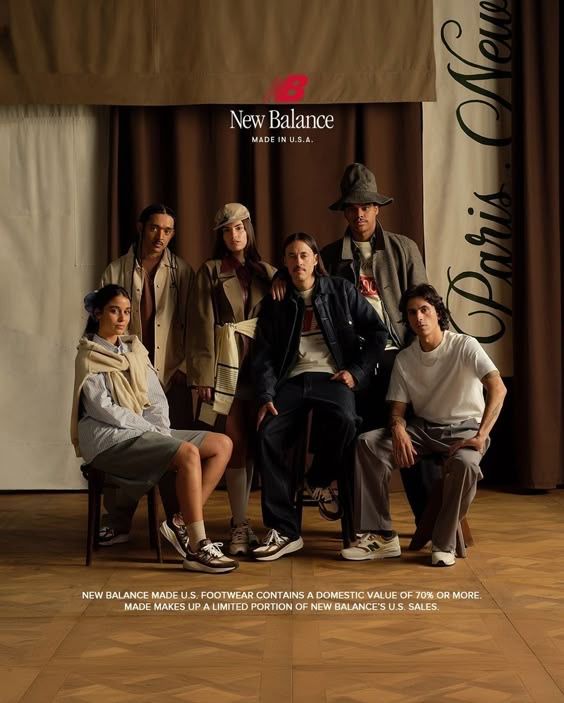
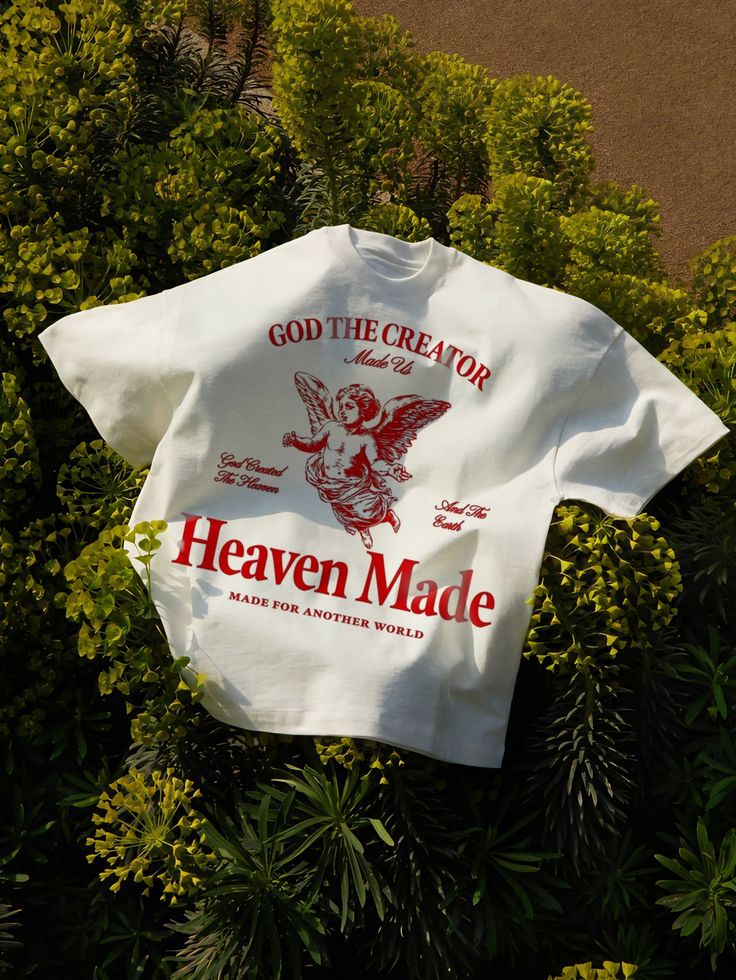
So the brands that still get attention?
They don’t discount the price —
they discount the predictability.
Nike’s campaign didn’t talk about shoes.
It talked about resilience, purpose, belonging.
People didn’t buy sneakers — they bought self-belief.
Meanwhile, smaller brands kept shouting “SALE ENDS TONIGHT” —
and it did end tonight.
Along with the user’s attention.
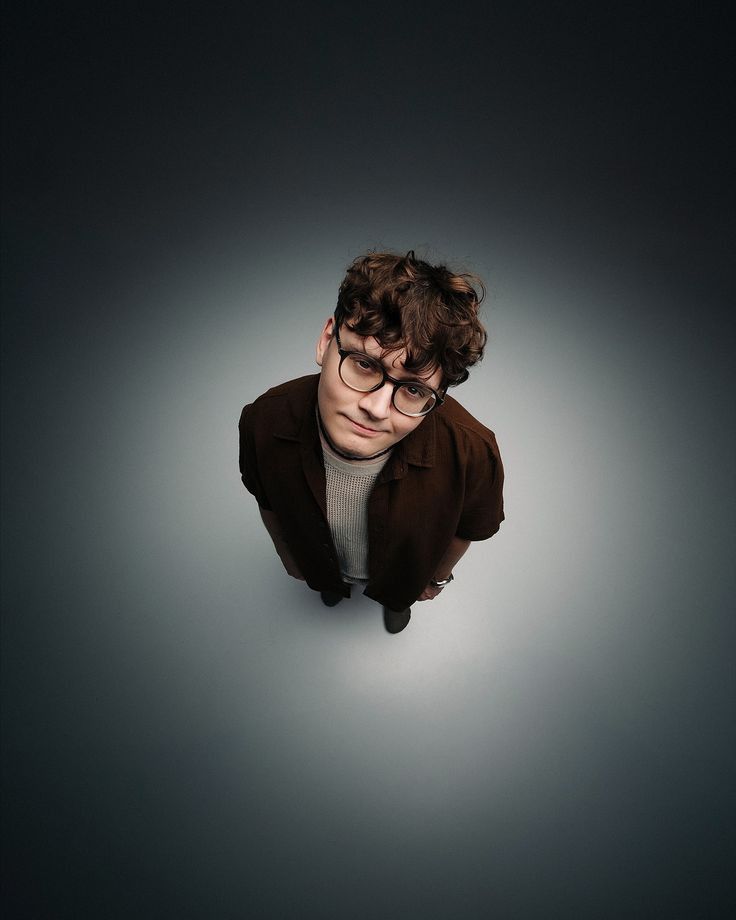
To make people trust you need to show the face not the text,
The market didn’t stop responding to discounts because people became stingy.
They stopped because the word “SALE” stopped meaning anything.
And then a thought struck in the mind then Why Apple Feels premium..?
They do offer discounts and sales and this thought leads us to 2015…