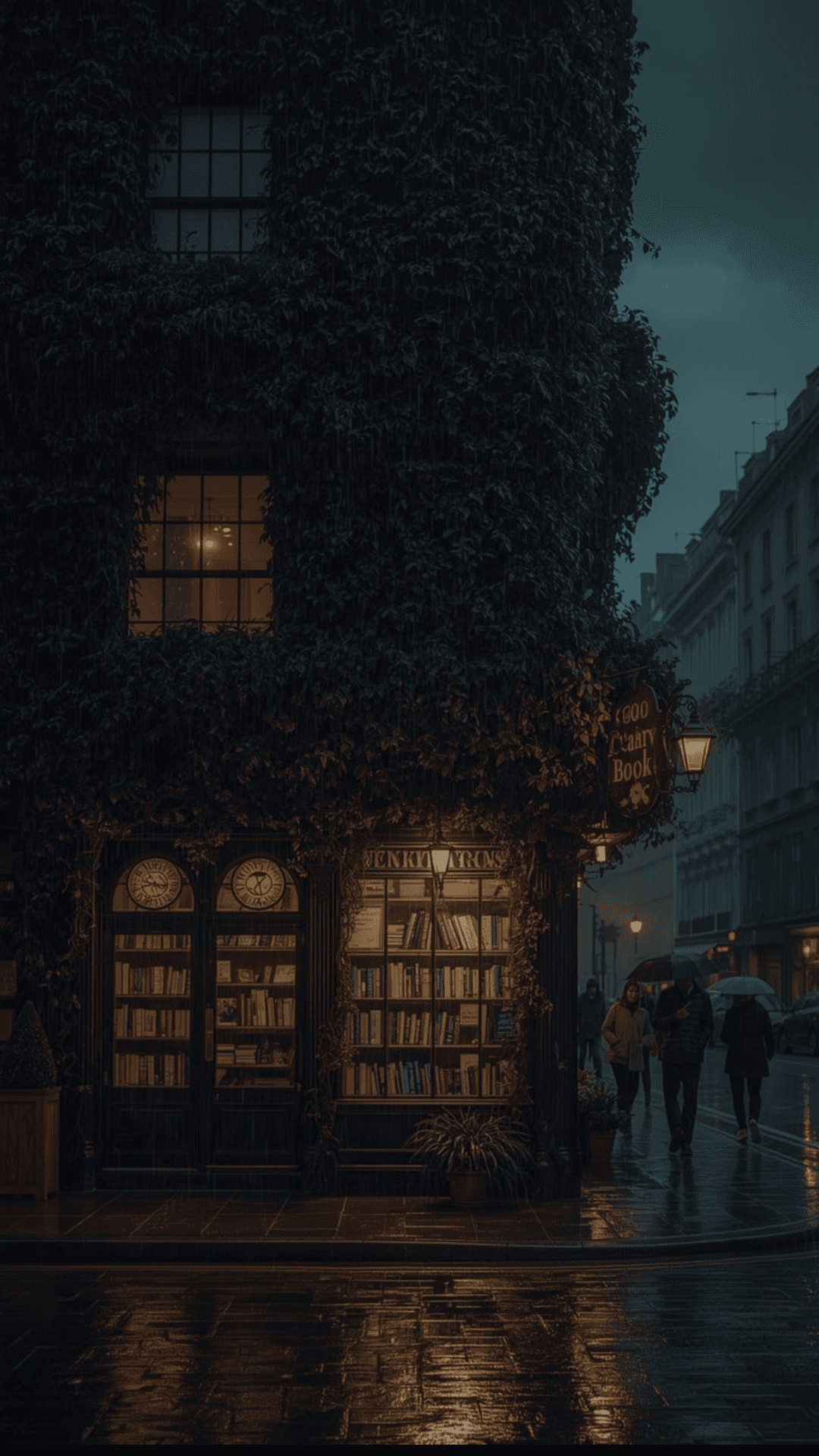
A brand revival story
When the call came in, I won't lie — none of us were excited.
A coffee brand. Dying. Needed help.
We pulled them up before even getting off the phone.
Their last post had 3 likes.
One of them was from their own intern.
The intern probably felt bad for them.
That brand was Emberly.
This company was genuinely something.
Not in the fake, paid-partnership way.
People actually wore their merch. Voluntarily.
They'd post café pictures and tag Emberly without anyone asking them to.
Their slogans were in people's bios.
You'd see their cups in the background of strangers' photos and recognize them immediately.
That kind of love? You can't buy it. It just happens.
They didn't protect it. They ran campaigns.
Then more campaigns. Then offers on top of offers on top of offers.
Discount after discount after flash sale after loyalty program after newsletter blast.
They kept pouring water into a cup that was already full, wondering why it kept spilling.
By 2023, nobody remembered them. Nobody was angry at them either — which is almost worse.
They'd just become background noise. Then no noise at all.
Digital footprints, Engagement data, the whole thing.
And honestly? We found almost nothing. Which told us everything.
A brand that people once quoted in their bios had become completely invisible online.
No one talking about them. No one asking where they went. Just... silence.
So we looked somewhere else.
We stopped looking at the brand and started looking at the neighborhood.
Who was coming in after COVID? What had changed on those streets?
Who were the people that could actually save this place?
And that's when we saw it.
Gen Z had moved in.
Stressful for us.
Because Gen Z is not Millennials.
I say this with full respect — they are just built differently when it comes to spaces.
They walk into a café and within four seconds they've already clocked the lighting,
The corners, whether anything is worth photographing, the vibe of the whole room.
The coffee is almost secondary. The place is the product.
We knew what it would cost to give Emberly that.
Full interior redesign, proper lighting setup, the kind of aesthetic overhaul that makes people stop scrolling
We sat with the numbers.
Tens of thousands of dollars.
The client's budget laughed at us.
Took a breath. And asked a different question.
What does Gen Z actually respond to? Not what we assume from the outside — but actually?
Now here's the thing.
There was one person on our team who didn't have to guess.
Being the only Gen Z in a room full of people trying to understand Gen Z is... a lot.
Everyone keeps turning to you.
Does this look right? Is this the vibe? Would you go here?
And after sitting with it honestly, the answer was something nobody expected.
It doesn't need to be expensive. It needs to feel real.
So we did three things:
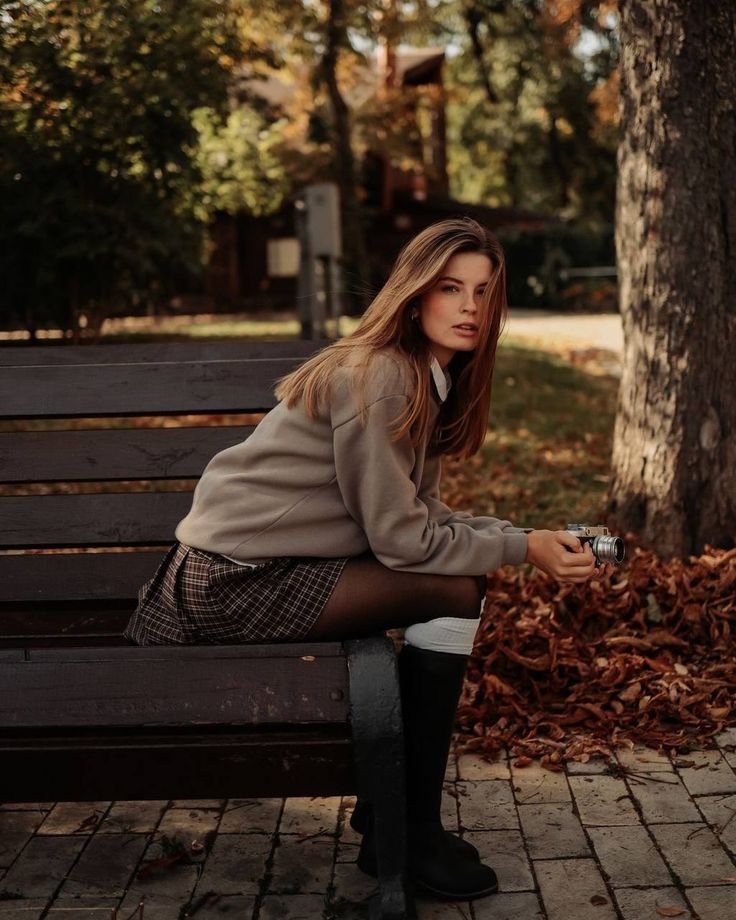
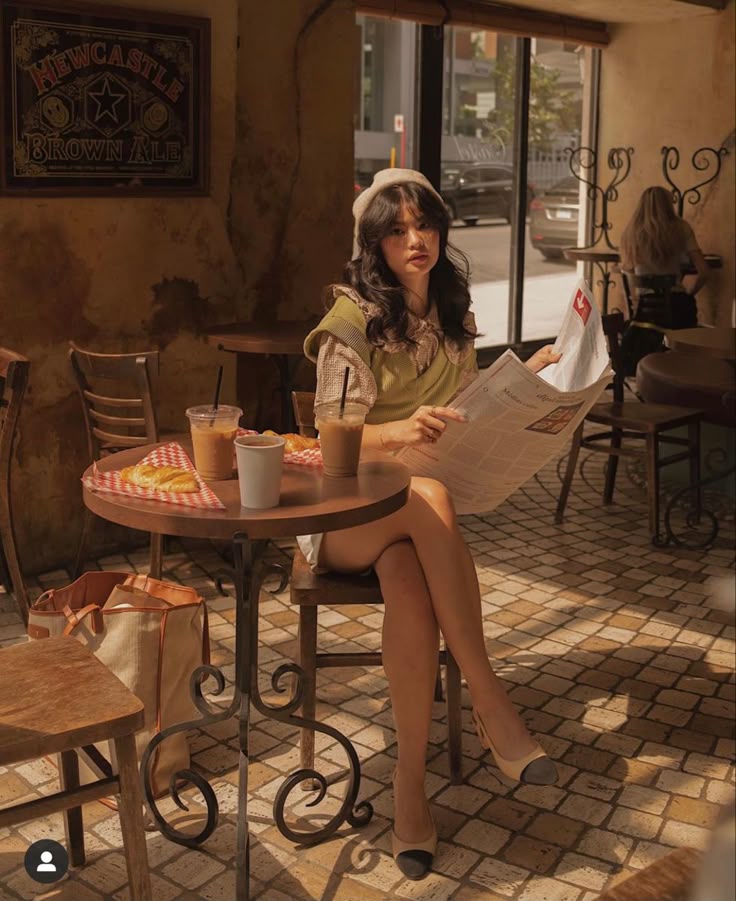
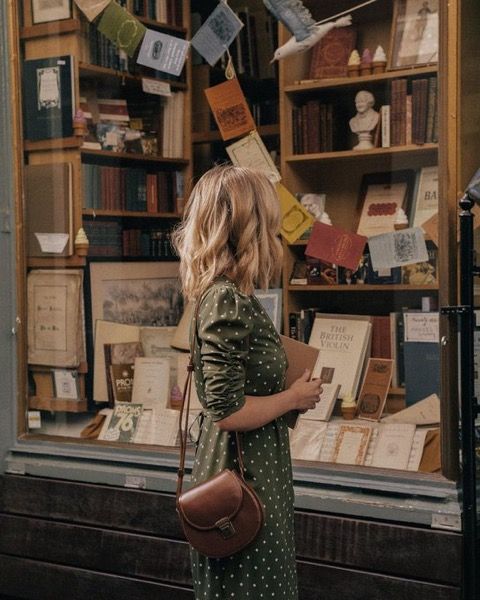
Warm lights. Not designer warm. Just the kind of warm that makes everyone look like they're in a good moment.
Handmade poster boards. Actual handwriting.
Not a font that looks like handwriting — real handwriting, slightly imperfect, human.
And a small animal near the counter. A little pet.
Just something alive and gentle sitting there that makes the whole place feel like it belongs to someone who cares.
Total cost: $780.
Against the tens of thousands we'd been staring at. $780.
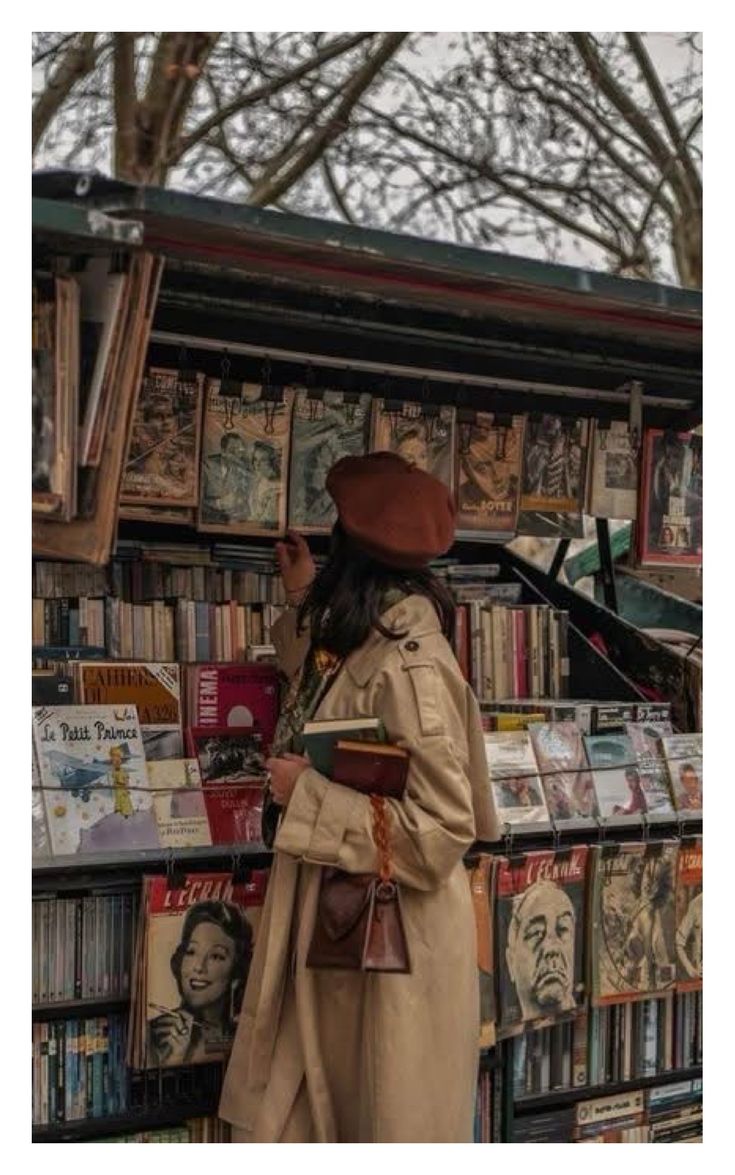
The space didn't look expensive. It looked loved.
And that's a completely different thing.
But nobody knew it existed.
And this is the part where we sat around genuinely stumped.
Because how do you reach people who have been marketed to their entire lives and developed a full immune system against it?
You don't market to them. That's the answer.
You give them something they'd share on their own.
The idea was Snapchat filters.
Specifically the weird, funny, slightly cursed ones that don't feel professional at all..
We shot videos inside the space — on actual phones, not cameras, not equipment — with those filters on.
Then we pushed them all out through PR accounts at the same time
No campaign language. No "Emberly is back!" announcement.
Just videos that looked like a real person made them in a real place they liked.
Turns out the algorithm loves that. Not because it's low quality — because it's believable.
Because it looks like something a person actually chose to film, not something a brand paid to exist.
It worked. People started sharing it.
Not millions of people overnight — but real people, genuinely.
And the ones who remembered 2018 started getting that feeling.
The "wait, are they back?" feeling.
After that we built out discounts and offers specific to that crowd.
Not mass blast sales.
Offers that felt like they were made for the people actually walking in, not just anyone on a mailing list.
Those offers are still running. Still working.

I keep coming back to when I think about Emberly.
They didn't come back because of better coffee.
They came back because we stopped trying to sell the coffee and started trying to give people a reason to care again.
A real one.
Every brand that's struggling thinks the answer is a new logo.
A new campaign. A bigger budget. A rebrand. A consultant with a 40-slide deck.
Sometimes the answer is warmer lights and something small and alive near the counter.
Sometimes $780 does what $80,000 couldn't.
Because people don't fall in love with brands.
They fall in love with how a brand makes them feel.
And feelings don't cost what we think they cost.
The ember was still there the whole time.
We just had to stop smothering it.